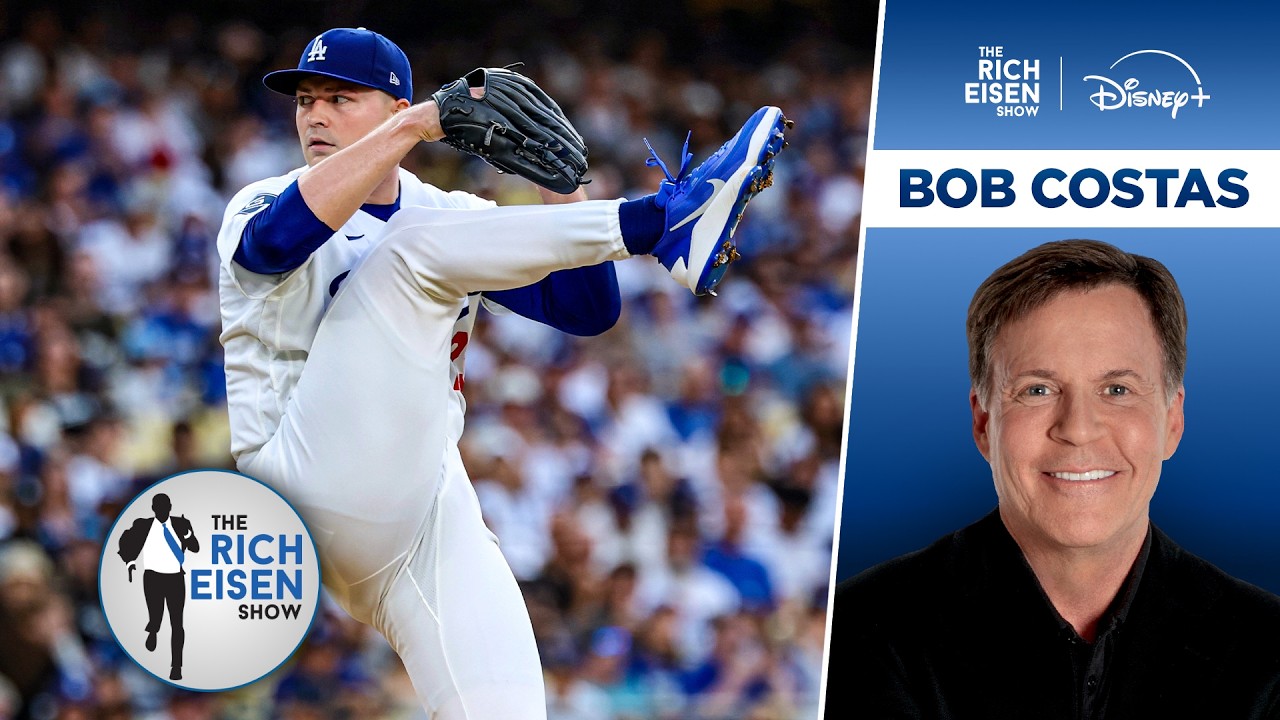
NBC Sports’ Bob Costas Talks Dodgers’ Skubal Trade, Red Sox & More with Rich
Bob Costas called the Red Sox sweeping the Dodgers on Sunday night, which makes him the right person to explain why the panic about baseball being broken keeps colliding with what is actually happening on the field.
Boston has won 15 straight. More telling than the streak is who it came against, a run of series against teams sitting in first place at the time, most of them swept or dropped only once.
The Red Sox are doing it shorthanded, too. No Roman Anthony, their best left-handed hitter in theory. No Trevor Story at shortstop. No Garrett Crochet, one of the best left-handers in the game.
"Once you get into that tournament, a hot team can go a long way, and right now the Red Sox are a hot team," Costas said.
Rewind six weeks and none of this was on the table. Only the Rockies had a worse record in baseball into late June, and Costas was at Fenway for a Sunday night game where the entire conversation was about which parts to sell. Who do they trade Sonny Gray to? Is Chapman gone too? It was treated as a lost cause.
Then Boston caught fire, and now the Red Sox sit a couple of games behind the Yankees in the loss column with the Rays in front, a genuine three-team division race.
That backdrop matters, because it is the players' best evidence in a labor fight that is coming whether anyone likes it or not.
Costas granted the owners a legitimate point of view, then laid out the counter. Why are the Rays always competitive? Why are the Guardians and Brewers better than competitive? Why are the Mets, with all their resources, in last place? Why have the Yankees, roughly the American League equivalent of the Dodgers in resources, been to the World Series once since 2009?
More than two-thirds of the 30 teams are within reasonable striking distance of at least a wild card in early August. Three wild cards and two central divisions where only the Cubs consistently rank in the top half of payrolls have created an actual pathway.
"It's pretty clear that almost every team in baseball with good management and a little bit of luck can contend at least for a period of time," Costas said.
None of which means the Dodgers are ordinary. Costas argued their edge is not purely financial, and that the money story undersells how well they operate. Los Angeles pounces on everyone else's hesitation. Another team decides it cannot pay Tyler Glasnow, and the Dodgers are right there. Another team will not value Yoshinobu Yamamoto near what it pays Gerrit Cole, and the Dodgers take him.
They also compound their own success. Most Japanese players, given their druthers, would rather join Shohei Ohtani, Yamamoto and Roki Sasaki than sign anywhere else.
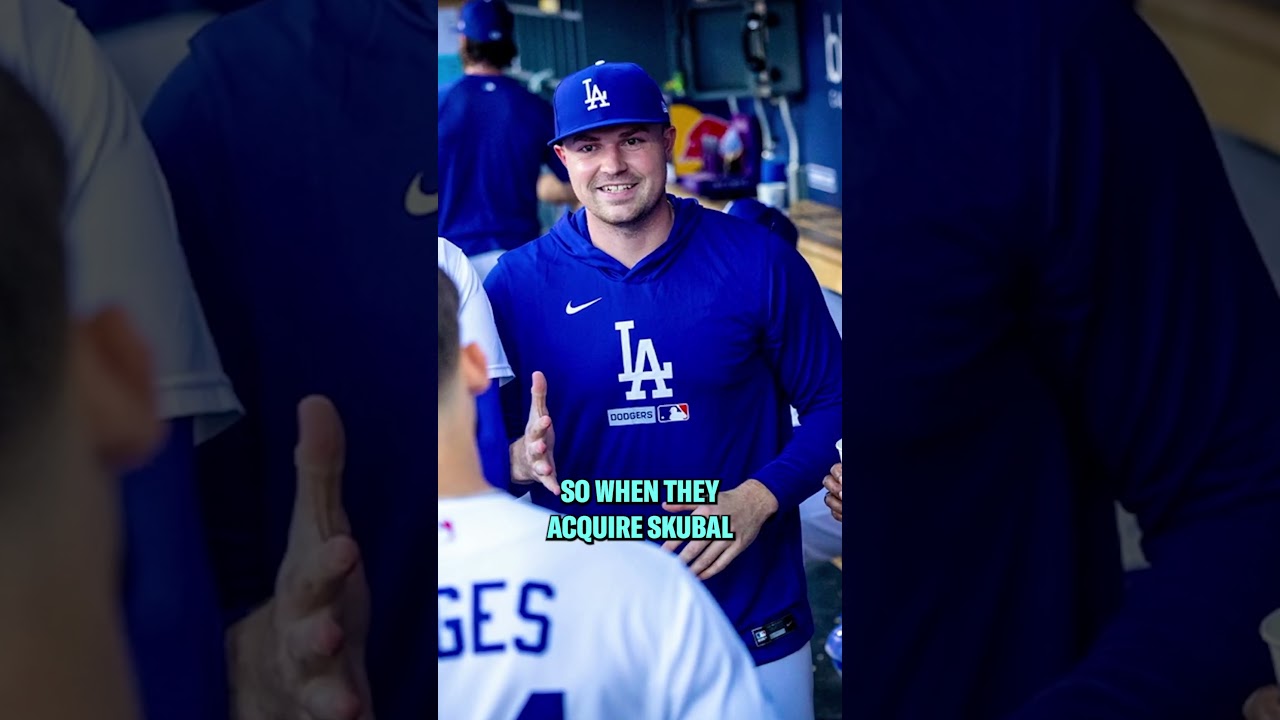
On Skubal specifically, Costas pointed at the farm system as the underrated piece. The Dodgers did not even surrender their best prospects, because they hold nine or ten of the top 100 in all of baseball.
The bigger gap is what happens next. For the Rays or Brewers, Skubal would have been a rental. For the Dodgers he probably is not.
"They have enough money to pay him whatever the market will bear," Costas said. "And when he comes to the Dodgers and walks into that clubhouse, he walks into a winning culture." He expects a very good chance Skubal finishes his career in Los Angeles.
Even so, Costas kept puncturing the idea that October is settled. The Dodgers lost to a Padres team they finished 22 games ahead of in 2022, then got swept by a Diamondbacks club they beat by 16 games in the division series the next year. Last year they won 93 games and had to survive a wild card round.
His framing of it was the sharpest thing in the interview. If a 110-win team drops two of three at home to a sub .500 club in June, nobody blinks, because that is baseball. That same randomness does not switch off in October. By the odds as Costas understands them, the field has a better than 50 percent chance to win the World Series, even though the Dodgers are the single best bet.
As for the labor endgame, he was blunt. Owners want local media revenue shared and will accept a salary floor in exchange for relief at the top, whatever they end up calling it. The players have treated no salary cap as an article of faith going back to Marvin Miller.
"There's going to be a lockout in December, no question," Costas said, adding it will probably run into spring training and might reach the regular season, since owners do not mind a 140-game year with revenue back-loaded toward the playoffs.
His hope is that both sides find some facts they cannot dispute and work from there. Blowing it up, he said, would look like mutual suicide.
Watch the full interview with Bob Costas on The Rich Eisen Show, streaming live on Disney+ weekdays Noon-3PM ET.
Adapted from the original segment on The Rich Eisen Show. How we cover the show.