Jay Bilas: Boycotting Texas Tech in Wake of Sorby Ruling is an Overreaction
Jay Bilas has no problem with athletic departments using their leverage. He just thinks boycotting Texas Tech over one player's ruling misses the target entirely.
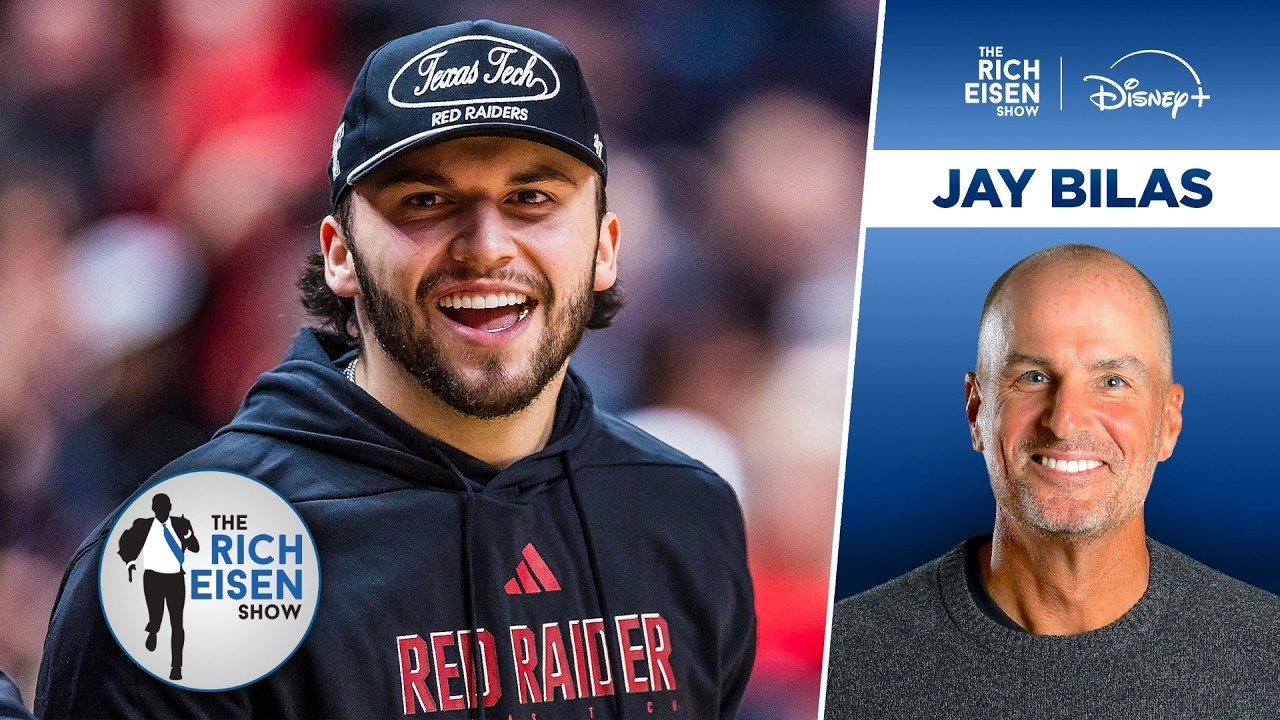
Pete Thamel's reporting that Big Ten schools were discussing not scheduling Texas Tech in any sport prompted the question, and Bilas didn't hedge. "They can do that. That's fine. Go ahead. I think that's an overreaction, too," he said. His reasoning was hard to argue with. "Texas Tech's cross country team didn't do anything."
It's one player, Bilas stressed, and not something he expects to recur. The discomfort is real, but in his read the problem fixes itself. "I think the judge in this case was incorrect in the ruling. I think it's going to be remedied on appeal." Once that happens, he doesn't think anyone will have to worry about it again.
The deeper issue, for Bilas, is structural. The NBA and NFL don't deal with these fights because their rules are collectively bargained with the players. That, he argued, is exactly what college sports needs and refuses to build.
He was blunt about where this is not heading. "We are not going back to a system where the players get a scholarship only and then get to do a commercial here and there for their NIL. That's not going to happen." The golden days of yesteryear, when the courts let the NCAA violate antitrust law at will, are gone. The money, meanwhile, keeps climbing.
Bilas also pointed to a tell. Nobody has moved to restrict coaches. "The coaches portal is always open. Nobody's complaining about that," he said. His ask was pointed: "I just want to see some of these presidents start showing some of the integrity that they preach about so much."
Rich pressed on the practical problem. If collective bargaining is the answer, who delivers it? He noted that Charlie Baker is the one raising Congress, then questioned whether this Congress would ever put the hammer in the hands of the players rather than the side with the lobbying money.
Bilas conceded Congress could act, but flipped the framing. Why would you hand more power to the NCAA? A fair-minded legislator, he argued, would look at the setup and see it for what it is. "How, in what other industry do they give these type of restrictions where they can be unilaterally imposed by the one holding all the money? There isn't one."
He acknowledged the NCAA has spent millions lobbying for years and didn't rule out their getting what they want. He just doesn't think it's likely, and he thinks the effort has been a waste. The smarter solution includes the players, "because the players are driving the engine."
The proof, Bilas said, is in the spending. After years of insisting the players were worth nothing, schools are now paying enormous sums to land the best ones. "They were worth way more than that," he said. Yes, the NBA and NFL have salary caps, but those are agreed upon by the players, and college sports could do the same.
His closing analogy was the college football playoff. For years the answer was no, impossible, can't be done, even with playoffs already running in Division II and Division III. Then someone held out a billion dollars. "It's funny how they made it possible."
Watch the full interview with Jay Bilas on The Rich Eisen Show, streaming live on Disney+ weekdays Noon-3PM ET.
Adapted from the original segment on The Rich Eisen Show. How we cover the show.