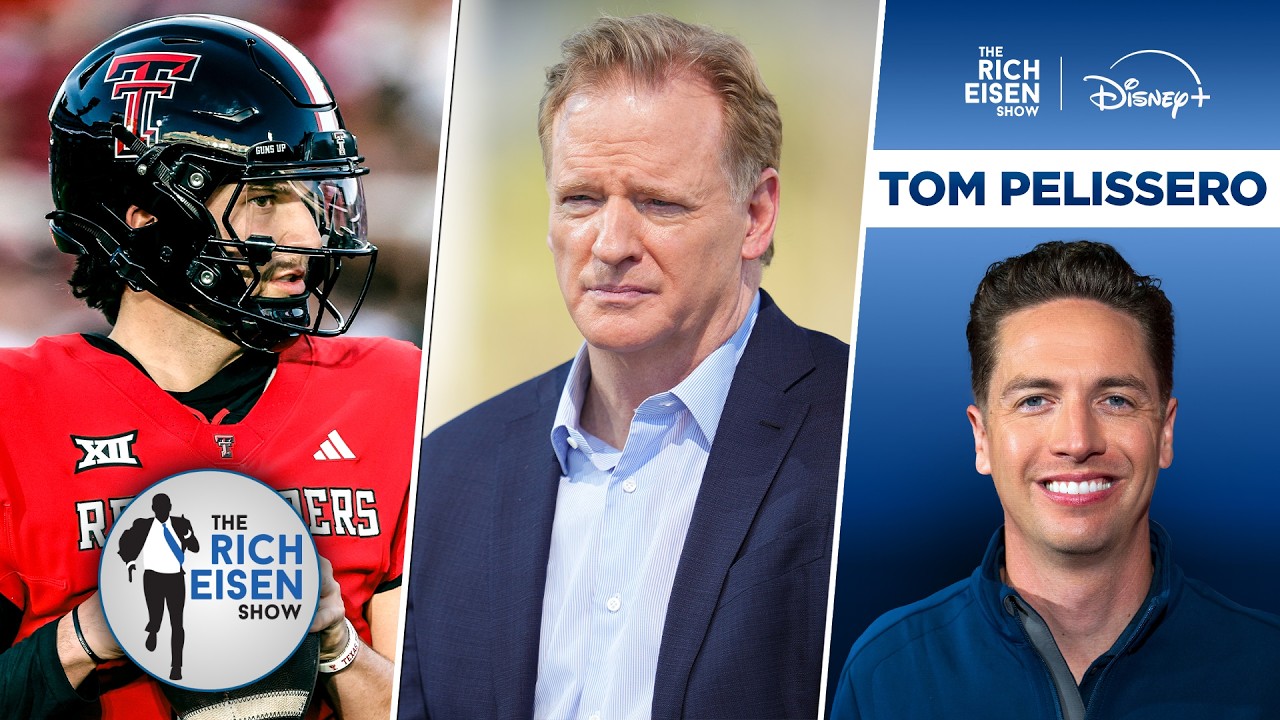
Tom Pelissero on Odds Brendan Sorsby Enters the NFL with a Gambling Suspension
Brendan Sorsby is heading to the NFL with four words hanging over him: gambling addiction and Jeffrey Kessler. The question Tom Pelissero kept circling is whether the league will actually attach a suspension to him, and his answer leaned strongly toward no.
Pelissero noted that Sorsby hasn't officially applied to the supplemental draft yet, a wrinkle tied to the lawsuit, but intends to. Once he does, the NFL will make a judgment and teams will seek every scrap of information they can. The historical lens matters here. There hasn't been a supplemental draft since 2019, because players don't lose eligibility anymore. COVID handed out extra years, NIL erased the old amateurism violations, and the league doesn't even test for marijuana the way it once did.
The cautionary precedent is Terrelle Pryor, whose NCAA suspension the NFL enforced 15 years ago specifically so players couldn't run to the pros as a safe haven, even keeping Jim Tressel away from the Colts to make it fair. But Pelissero argued the modern lens points the other way. Jim Harbaugh faces show-cause penalties that effectively ban him from college football through 2038, yet he's coached every Chargers game for two years. If the NFL won't enforce that, it's tough to justify enforcing something on Sorsby.
There's also the collective bargaining agreement, which bars suspending players under the personal conduct policy for actions before they entered the league. The bets Sorsby placed on his own team came in 2022 at Indiana, when he wasn't on the travel roster, and most of his wagers wouldn't fall under the NFL's gambling rules anyway. Pelissero pointed to Calvin Ridley, suspended a year for betting that involved the Falcons, after which the NFL softened its rules on betting that doesn't involve football.
On the money, Pelissero put it bluntly: Sorsby bet something like $90,000 over four years, which he said amounts to a bad weekend in Vegas for some people he knows. And Sorsby has already paid, in millions of legal fees, lost endorsements, and a college career that ended in a way nobody saw coming a week earlier.
Pelissero floated a hypothetical settlement, the kind the NFL prefers, where Sorsby could be around a team in practice but not play as a rookie. He recalled that Sorsby checked into an inpatient clinic in Arizona for about six weeks, and that the NCAA could have resolved this in the spring with a suspension longer than the two games the judge ultimately imposed. The NCAA's problem, Pelissero said, is that it keeps losing in court while clinging to power, where the NFL is pragmatic and settles, pointing to the negotiated Deshaun Watson suspension and the Ezekiel Elliott case, which he covered across three federal courts in 2017 as the timeline spun out of control.
Above all, Pelissero stressed that Sorsby is a human being at the center of this, not a victim. He placed the bets knowingly, it became a compulsion, but he wants to move on and play football. He'll hear it in every stadium and answer hard questions from teams, the toughest being whether he ever influenced or was tempted to influence a game. This, Pelissero argued, is a mental health issue at its core, not a courts issue, and it's in nobody's interest to turn it into a clown show.
Watch the full interview with Tom Pelissero on The Rich Eisen Show, streaming live on Disney+ weekdays Noon-3PM ET.
Adapted from the original segment on The Rich Eisen Show. How we cover the show.